
Cart
0
Updated on: March 19, 2026
Discover how to choose and display fine art prints that transform your space into a gallery-worthy haven. Learn practical tips for selecting quality artwork, understanding different print styles, and creating a cohesive display that reflects your personal taste. Whether you're a seasoned collector or just starting your art journey, this guide will help you make confident decisions about investing in original artwork for your home.
Table of Contents
- Choosing the Perfect Fine Art Print for Your Home
- Essential Tips for Selecting Quality Artwork
- Step-by-Step Guide to Displaying Your Collection
- Summary and Key Takeaways
- Frequently Asked Questions
Choosing the Perfect Fine Art Print for Your Home
When you're ready to invest in fine art print pieces for your living space, you're making a decision that goes way beyond decoration. You're choosing to surround yourself with beauty, creativity, and expression every single day. Whether you're drawn to abstract designs, landscape photography, or contemporary illustrations, the right artwork can completely shift the energy of a room.
The beauty of collecting art today is that you don't need to break the bank or visit exclusive galleries to find stunning pieces. Quality fine art prints are now accessible to everyone, allowing you to build a collection that genuinely speaks to you. The key is knowing what to look for and understanding what makes certain prints worth your investment.
Before you start shopping, take a moment to think about what draws you in visually. Do you prefer bold colors or subtle tones? Are you a fan of modern minimalism or rich, detailed imagery? Your personal aesthetic should guide your choices, because you're the one who'll be living with these pieces every day.

Gallery wall with mixed frame styles, vibrant artwork colors, and varied composition arrangements
Essential Tips for Selecting Quality Artwork
- Check the Material Quality: Look for prints made on high-quality paper or canvas. Archival materials ensure your artwork lasts for decades without fading or deteriorating. The weight and texture of the paper matter more than you might think.
- Consider Your Color Palette: Think about the existing colors in your room. The best fine art print will complement your walls, furniture, and overall design scheme. You don't necessarily need matching tones—sometimes contrast creates stunning visual impact.
- Understand Print Types: Different printing methods produce different results. Giclée printing offers excellent color accuracy and longevity, while screen printing creates bold, vibrant effects. Each has its own aesthetic charm and durability level.
- Verify Artist Information: Know who created the piece. Learning about the artist's background and inspiration adds meaning to your collection. It also helps you appreciate the work on a deeper level.
- Start with One Statement Piece: If you're new to collecting, choose one artwork that absolutely captivates you. Let it anchor your collection and guide future purchases. This prevents impulse buying and ensures cohesion.
- Think About Scale and Placement: A large print demands prominent wall space, while smaller pieces work beautifully in gallery arrangements. Consider your room's dimensions and furniture placement when deciding on artwork size.
- Trust Your Gut Feeling: Sometimes the most important factor is simply whether you love it. If a piece makes you smile or feel something when you look at it, that's reason enough to bring it home.
When you're evaluating a fine art print, don't just look at the image—examine the craftsmanship too. Run your fingers across the surface if possible, check the color vibrancy, and see how light plays across the piece. These tactile details matter because you'll be viewing your artwork in your space every single day.
One of our stunning pieces, Smoking Duck in Green by Tara Royle, demonstrates how contemporary subjects can create bold statement pieces. This artwork features vibrant green tones and distinctive character, making it perfect for anyone who wants personality in their walls.

Step-by-Step Guide to Displaying Your Collection
Step One: Plan Your Gallery Wall Layout
Before you hang anything, sketch out your arrangement on paper or use painter's tape on the wall. Lay all your frames on the floor first and experiment with different configurations. This prevents mistakes and helps you visualize how your fine art print collection will look together. Leave consistent spacing between pieces—typically two to three inches works beautifully for most arrangements.
Step Two: Gather Your Supplies
You'll need the right tools for successful installation. Invest in quality picture-hanging hardware appropriate for your wall type. A level, measuring tape, and painter's tape are absolute must-haves. Don't skip the hardware—cheap nails and hooks can damage your walls and won't properly support your valuable artwork.
Step Three: Mark Your Wall
Use painter's tape to mark exactly where each frame will hang before drilling or hammering. This gives you one final chance to adjust spacing and ensure everything looks balanced. Stand back frequently and view your layout from different distances and angles. What looks good up close might feel different from across the room.

Leveled artwork installation with proper spacing, wall mounting hardware, and measurement tools
Step Four: Install Your Artwork Securely
Follow the manufacturer's instructions for your specific wall type. Drywall requires different hardware than plaster or brick. Make sure each piece is level and secure before moving to the next. Double-check that everything feels sturdy and well-anchored. Your fine art print deserves proper support.
Step Five: Step Back and Evaluate
Once everything is hung, live with your arrangement for a few days. Look at it in different lighting conditions—morning light, afternoon sun, and evening lamp light all change how artwork appears. You might decide to adjust spacing or swap pieces around. This evaluation period helps you create the final arrangement you'll love long-term.
Step Six: Maintain Your Collection
Dust your artwork gently with a soft cloth every few months. Keep pieces away from direct sunlight if possible, as UV rays can fade colors over time. Monitor humidity levels in your home, since extreme moisture or dryness can affect paper and canvas. Proper care ensures your collection stays beautiful for years to come.
Explore more artwork options like Blue Water Swim by Carlo Tonti or Mummy Daughter Countryside Walk by Bea Muller to find pieces that resonate with your personal style and home aesthetic.
Summary and Key Takeaways
Building a fine art print collection is an exciting journey of self-discovery and creative expression. You're not just decorating your walls—you're creating an environment that reflects who you are and what brings you joy. Start by understanding your own aesthetic preferences, invest in quality materials, and display your pieces thoughtfully.
Remember that collecting art doesn't happen overnight. Give yourself permission to curate slowly, changing pieces as your tastes evolve. Each artwork you choose tells a story about you, and your collection becomes a visual autobiography of your life and interests.
The most important thing is to choose pieces that make you genuinely happy. Whether you're drawn to bold contemporary work, serene landscapes, or abstract exploration, your fine art print selections should bring color, inspiration, and meaning into your daily life. Trust your instincts, do your research, and don't be afraid to take chances on artists and styles that move you.
Frequently Asked Questions
What's the difference between a print and original artwork?
Original artwork is a one-of-a-kind piece created directly by the artist. A fine art print is a reproduction of original artwork, created using high-quality printing methods. Prints are more affordable than originals while still offering beautiful, museum-quality results. Many artists create prints specifically to make their work accessible to more people, and these reproductions can be just as meaningful as originals.
How do I know if a fine art print is high quality?
Quality prints use archival materials that resist fading and deterioration. Look for information about the paper type, ink used, and printing method. Professional galleries and reputable artists typically provide detailed specifications about their prints. Higher quality usually means better color accuracy, richer tones, and superior longevity. It's worth investing a bit more for prints made to last decades rather than years.
What size fine art print should I choose for my space?
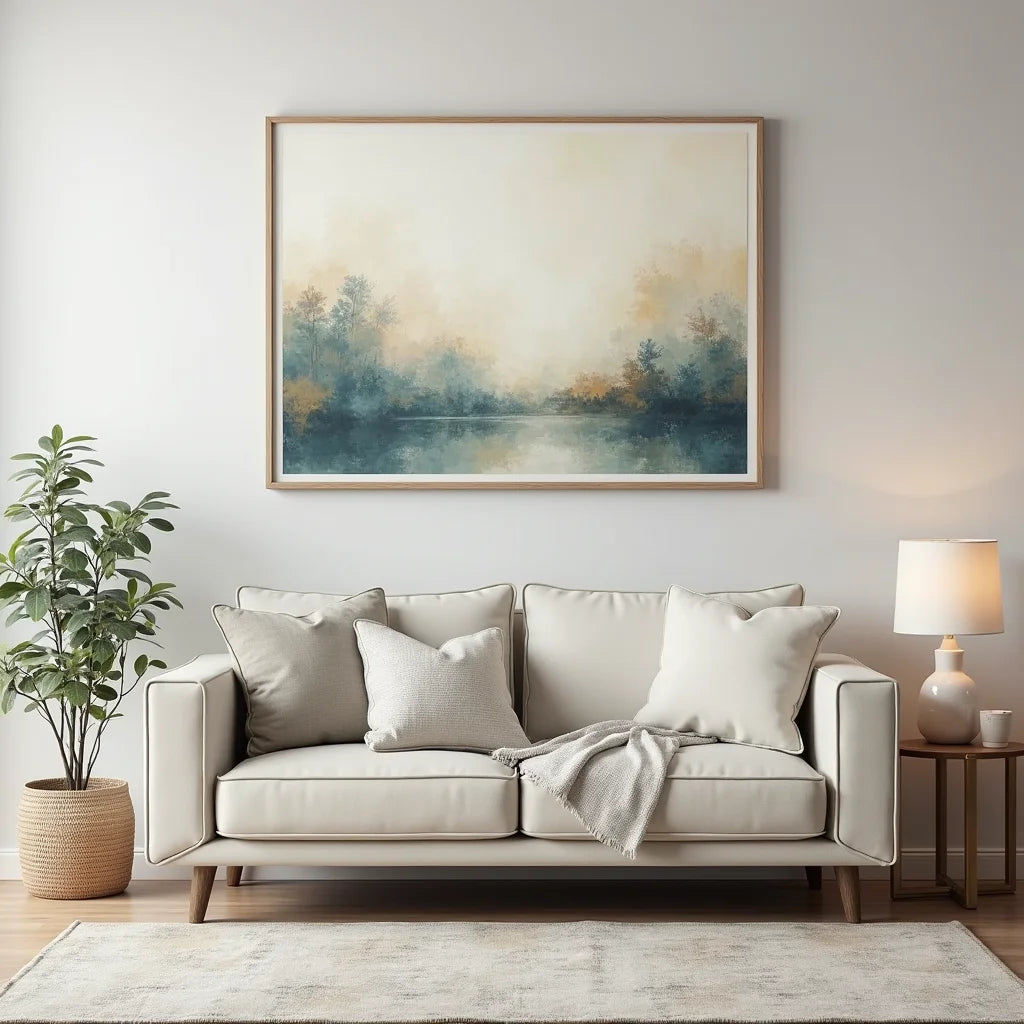
The ideal size depends on your wall space and furniture arrangement. A large statement piece works well above a sofa or bed, while smaller prints are perfect for creating gallery walls or filling narrow spaces. As a general rule, artwork should be about sixty to seventy-five percent the width of the furniture below it. Consider the proportions of your room and leave enough white space around pieces so they feel intentional rather than crowded.
Can I mix different art styles in one room?
Absolutely! Mixing styles creates visual interest and personality. The key is finding a unifying element—maybe consistent framing, a shared color palette, or similar sizing. Look for diverse artwork options that speak to you personally while maintaining some visual cohesion through thoughtful curation.
How should I care for my fine art prints?
Keep prints away from direct sunlight, excessive heat, and high humidity. Use UV-protective glass in frames for additional protection. Clean gently with a soft, dry cloth. Avoid using water or cleaning products on the artwork itself. Proper framing with acid-free mats and materials also helps preserve your collection. Store any unframed prints flat in a cool, dry place.

