
Cart
0
Updated on: March 17, 2026
Transforming your living space with contemporary visual art doesn't have to be complicated or expensive. Whether you're a seasoned collector or just starting your journey, this guide walks you through choosing, displaying, and caring for modern artwork that speaks to your personal style. Discover how to curate pieces that enhance your home's aesthetic while reflecting who you are.
Table of Contents
- Understanding Modern Artwork
- Buyer's Checklist
- Step-by-Step Guide to Selecting Pieces
- Displaying Your Collection
- Caring for Your Pieces
- Frequently Asked Questions
Understanding Modern Artwork and Its Appeal
Modern artwork encompasses pieces created from the late 1800s through today, characterized by artists' desire to break from tradition and experiment with new forms, colors, and techniques. What makes contemporary visual art so compelling is its ability to communicate emotion, challenge perspective, and add personality to any room. Unlike classical pieces that follow strict rules, modern artwork celebrates individuality and innovation, making it perfect for anyone looking to express themselves through interior design.
The beauty of collecting modern pieces is that you don't need to be wealthy or knowledgeable about art history to find something meaningful. Contemporary visual art ranges from abstract compositions and minimalist designs to vibrant illustrations and thought-provoking photography. Each style carries its own energy and can transform a space in ways that traditional décor simply cannot.
Buyer's Checklist: Essential Considerations Before Purchasing
- Define your personal style and color preferences before browsing
- Measure your wall space and consider furniture layout
- Determine your budget and stick to it
- Check the artist's background and authenticity
- Consider the piece's theme and how it complements your existing décor
- Review framing and matting options if needed
- Verify shipping and handling procedures for safe delivery
- Understand the return or exchange policy
- Think about lighting in your space and how it affects the piece
- Decide whether you prefer original works, limited editions, or prints
- Research the artist's vision and story behind the piece
- Assess whether the artwork evokes emotion or sparks conversation

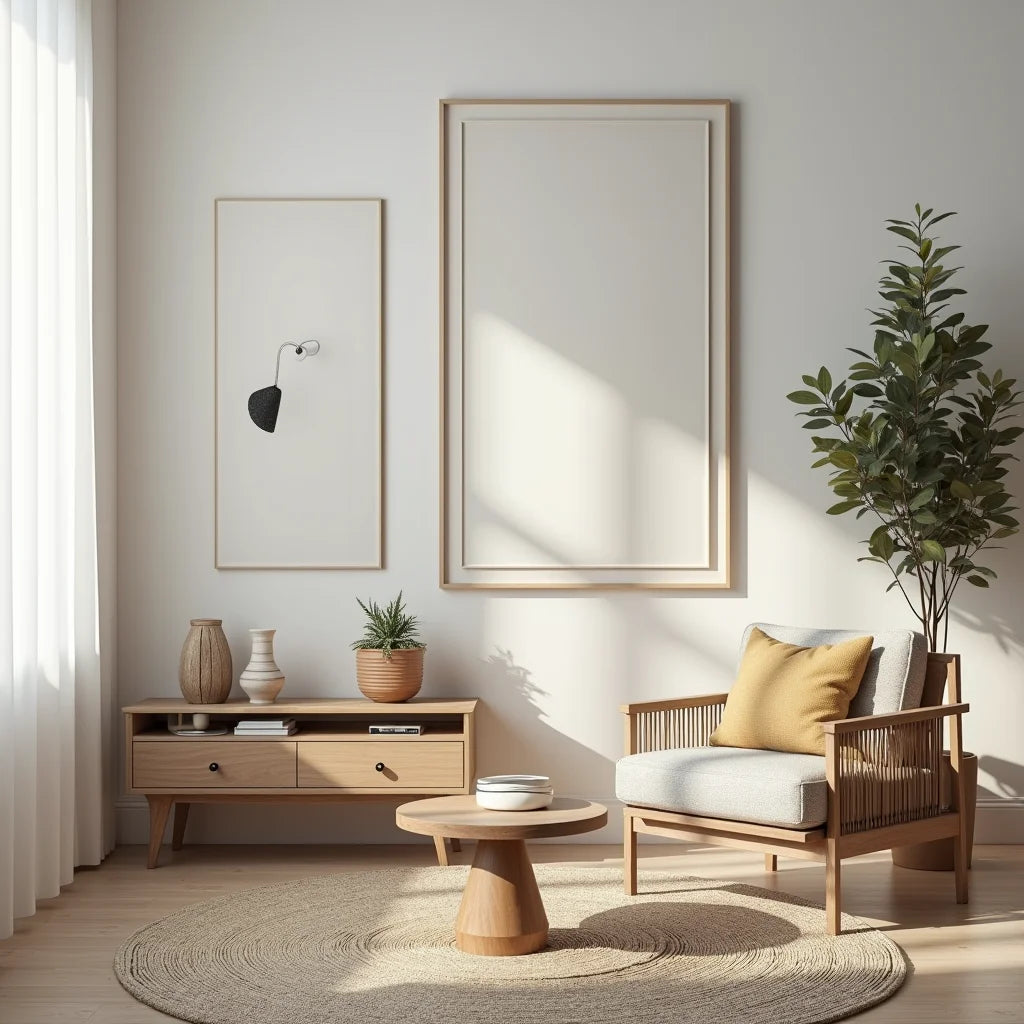
Contemporary art displayed on neutral walls with warm lighting and natural textures.
Step-by-Step Guide to Selecting Perfect Modern Artwork
Step One: Identify Your Aesthetic Direction
Before you start shopping for modern artwork, take time to understand what visually resonates with you. Are you drawn to bold, vibrant colors or subtle, muted tones? Do abstract compositions intrigue you, or do you prefer recognizable subjects? Walk through your home and notice what already appeals to you. Look at social media, design magazines, and gallery websites to build a mood board. This exercise clarifies your taste and prevents impulse purchases you'll regret later.
Step Two: Assess Your Space Thoughtfully
Your space dictates what type of contemporary visual art will work best. A large, empty wall can handle a bold statement piece or a gallery-style arrangement of smaller works. Smaller spaces benefit from one carefully chosen piece rather than multiple artworks competing for attention. Consider the natural light in your room, the wall color, and surrounding furniture. Modern artwork should enhance your existing décor, not clash with it. If your space is minimalist, choose pieces with clean lines. If your style is eclectic, you have more freedom to experiment with contrasting pieces.
Step Three: Explore Different Mediums and Styles
Modern artwork comes in countless forms. Canvas paintings offer texture and depth, while framed prints provide versatility and easier wall hanging. Photography brings realism and emotion, abstract pieces spark imagination, and digital art appeals to those seeking contemporary edge. Black and white artworks create striking focal points in any room, while colored pieces can energize spaces or create calm atmospheres depending on the hues chosen.
Step Four: Research Artists and Authenticity
Understanding the artist behind the work adds meaning to your purchase. Learn about their background, inspiration, and artistic journey. Are they emerging talents or established names? Do they have a consistent body of work? Authentic modern artwork from reputable sources ensures you're investing in genuine pieces. Check reviews, certifications, and artist statements to verify legitimacy. Supporting independent artists or established galleries ensures quality and authenticity in every purchase.
Step Five: Make Your Selection and Purchase
Once you've narrowed your choices, trust your instinct. The best modern artwork is the piece that makes you happy when you look at it. Don't overthink it or second-guess your preferences. Check shipping options, packaging protection, and return policies before completing your purchase. Many online galleries offer detailed photos, dimensions, and customer reviews that help you make confident decisions from home.
Displaying Your Modern Artwork Effectively
How you hang and display modern artwork is just as important as the piece itself. The right presentation elevates the entire room. Consider creating a gallery wall with multiple pieces arranged thoughtfully, or go bold with one stunning focal point. Leave adequate space between pieces if you're displaying several works. Use quality frames and hanging hardware appropriate for your wall type. Lighting matters tremendously—natural light, track lighting, or picture lights can highlight your piece beautifully.

Gallery wall arrangement showcasing varied artwork sizes and frame styles harmoniously.
Height placement is crucial. Ideally, hang artwork at eye level, with the center of the piece approximately 57 to 60 inches from the floor. In rooms with high ceilings, you might adjust slightly higher. Don't hang artwork too high—it should feel like part of the room, not floating above it. If you're unsure about placement, sketch out arrangements on paper first or use painter's tape on your wall to test positioning before making holes.
Consider complementary décor elements like colorful artwork pieces that work alongside your modern selections. A cohesive look emerges when all visual elements work together rather than competing for attention. Mix your modern artwork with plants, mirrors, or shelving to create balanced wall compositions.
Caring for Your Modern Artwork Collection
Protecting your modern artwork ensures it remains beautiful for years. Keep pieces away from direct sunlight, as UV rays can fade colors over time. Avoid hanging artwork in bathrooms or kitchens where humidity and moisture cause damage. Dust frames gently with a soft, dry cloth. For canvas or print surfaces, use a microfiber cloth and avoid touching the actual artwork surface with bare hands. Store pieces properly if you're not displaying them—use acid-free paper and appropriate storage containers.
Control your environment's temperature and humidity levels. Extreme fluctuations can warp frames and crack canvases. If you notice damage or discoloration, consult a professional art conservator rather than attempting DIY repairs. Regular maintenance preserves your investment and keeps your modern artwork looking gallery-fresh for decades.
Frequently Asked Questions About Modern Artwork
What's the difference between original artwork and prints?
Original artwork is created by the artist's hand and exists as a single piece, making it unique and typically more expensive. Prints are reproductions of original works, offering affordability and accessibility while still delivering aesthetic value. Both have merit—choose based on your budget and preference for uniqueness versus cost-effectiveness.
How do I know if artwork is a good investment?
Investment-quality artwork typically comes from established artists with growing recognition, limited production runs, or pieces that resonate with current cultural conversations. Research the artist's exhibition history, sales records, and critical reception. However, purchase modern artwork primarily because you love it—financial appreciation is a bonus, not the goal.
What size artwork should I choose for my wall?
A general rule is that artwork should cover 50 to 75 percent of the wall space above furniture. For empty walls, choose pieces proportional to your space—larger walls accommodate bigger pieces, while smaller spaces work better with modest-sized artworks. Measure your wall and note furniture dimensions before shopping.
Can I mix different art styles in one room?
Absolutely. Mixing styles creates visual interest and personality. The key is ensuring pieces share common color palettes or themes that tie them together. Contemporary pieces with emotional depth blend well with abstract works and minimalist designs when thoughtfully arranged. Trust your aesthetic sense and create combinations that feel intentional rather than random.
Where's the best place to buy modern artwork?
Online galleries, independent artist websites, art marketplaces, and local galleries all offer quality modern artwork. Research sellers carefully, read customer reviews, verify authenticity, and ensure they offer secure transactions and return policies. Building relationships with galleries or following individual artists helps you discover pieces aligned with your taste.
How do I care for artwork during moves or storage?
Wrap pieces in acid-free paper and sturdy cardboard boxes. Avoid plastic wrap that traps moisture. Label boxes clearly and store in climate-controlled environments away from temperature extremes. For valuable pieces, consider professional art moving services that specialize in handling delicate works safely.
Incorporating modern artwork into your home is a rewarding journey that reflects your personality and aesthetic values. Whether you choose meaningful contemporary pieces or vibrant abstract compositions, each work tells a story and adds character to your living space. Start exploring today and discover the transformative power of surrounding yourself with art you genuinely love.

Magnus Andersen
Editor
https://dreamprint.art/pages/about
Loving home decor and wanting to help others get beautiful homes
