
Winkelwagen
0
Updated on: March 8, 2026
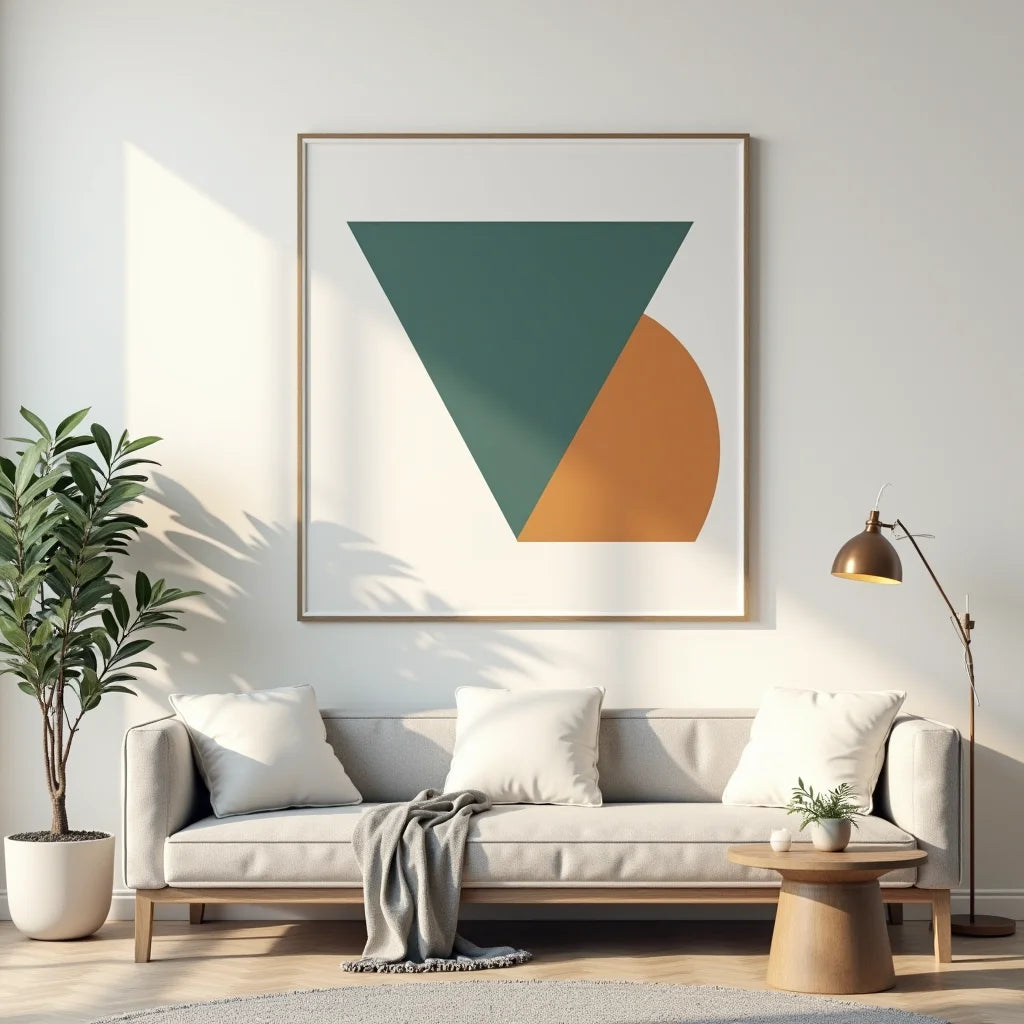
Geometric wall art brings modern sophistication and visual interest to any room. Whether you're decorating a minimalist apartment or adding an accent wall, these contemporary pieces combine clean lines and bold shapes to transform your space. Learn how to select, style, and display geometric patterns that reflect your personal aesthetic while creating a lasting impression on visitors.
Table of Contents
- Product Spotlight: Finding Your Perfect Piece
- Step-by-Step Guide to Styling Geometric Wall Art
- My Personal Journey with Modern Wall Decor
- Summary and Recommendations
- Frequently Asked Questions
Product Spotlight: Finding Your Perfect Piece
When you're exploring geometric wall art, you'll discover endless possibilities in color, scale, and complexity. I'm particularly drawn to pieces that balance minimalism with impact. Contemporary geometric designs work wonderfully in living rooms, home offices, and bedrooms because they complement both modern and eclectic interiors.
One standout option is abstract minimalist work that features clean geometric shapes in black and white. This timeless approach creates sophistication without overwhelming your space. If you prefer something with more personality, consider pieces that blend geometric patterns with subtle color gradients or metallic accents.
I recently discovered striking black and white triangle compositions that perfectly illustrate how simple shapes can create remarkable visual depth. These types of pieces serve as conversation starters while maintaining an elegant, understated aesthetic. The beauty of geometric designs lies in their versatility—they work equally well in Scandinavian interiors or contemporary industrial spaces.

Layered triangles and angular forms creating depth through sharp lines and contrast.
Step-by-Step Guide to Styling Geometric Wall Art
Now let's talk about making your geometric wall art truly shine in your home. I've learned that placement and surrounding elements matter just as much as the piece itself.
Step 1: Choose Your Wall
Select a wall that naturally draws attention. This might be directly opposite your entryway, above your sofa, or behind your desk. The goal is to give your piece breathing room and ensure adequate lighting. Geometric designs thrive when viewers can appreciate their clean lines and proportions without visual clutter nearby.
Step 2: Consider Your Color Palette
Think about existing colors in your room. Geometric wall art with neutral tones anchors busy spaces, while bold geometric patterns can energize minimalist rooms. If your walls are already painted a statement color, pair them with simpler geometric designs. Conversely, neutral walls can showcase more intricate, multi-colored geometric compositions.
Step 3: Measure and Plan Your Layout
Use painter's tape to map out where your piece will hang before making any holes. For contemporary geometric wall art, eye level is typically around 57 to 60 inches from the floor to the center of your piece. If you're displaying multiple pieces, maintain consistent spacing of about 2 to 3 inches between frames.
Step 4: Install Properly
Use appropriate hardware for your wall type—drywall anchors for standard walls, or specialized fasteners if you have plaster or brick. Ensure your piece hangs level and securely. Poor installation can undermine even the most beautiful geometric design.
Step 5: Layer with Complementary Decor
Style your space thoughtfully around the geometric artwork. A simple floating shelf below can display small plants or books. Keep nearby furniture lines clean and uncluttered. The goal is to let your geometric piece remain the focal point while creating a cohesive, intentional aesthetic.
My Personal Journey with Modern Wall Decor
I'll be honest—my first attempt at decorating with geometric wall art was a bit misguided. I purchased an enormous black and white piece without measuring my wall properly. It arrived, and I realized it completely dominated my small bedroom rather than enhancing it.
That experience taught me something valuable: scale matters tremendously. I learned to consider not just the dimensions of the artwork, but how those dimensions relate to the room size and furniture placement. After that misstep, I became intentional about selecting pieces that felt proportional to my spaces.
What changed everything was visiting a friend's home office where she'd paired bold black and white stroke artwork with minimalist furniture. The geometric composition drew your eye immediately, creating an energizing yet professional atmosphere. I realized that geometric wall art isn't just about the piece itself—it's about how you orchestrate your entire space around it.
Since then, I've become much more thoughtful. I take photos of my walls with different pieces before committing. I consider lighting, nearby furniture, and how the geometric patterns interact with everything else in the room. This approach has transformed how I think about interior design generally.

Angular shapes arranged to create visual movement and dynamic energy across the surface.
Summary and Recommendations
Geometric wall art offers a sophisticated way to elevate your interior design. Whether you're drawn to minimalist black and white compositions or vibrant multi-colored patterns, these contemporary pieces bring structure, visual interest, and personality to any room.
Here are my key recommendations:
- Start with pieces that echo your existing color palette or intentionally complement it with strategic contrast
- Measure your wall space carefully and choose appropriately scaled artwork
- Consider the room's lighting, as this significantly impacts how geometric patterns appear
- Style thoughtfully around your piece to avoid visual competition
- Trust your instincts—the best geometric art speaks to you personally
If you're ready to explore contemporary options, take time browsing collections that showcase various geometric styles. Black and white cactus designs offer organic geometry, while angular pieces provide sharp, architectural appeal. There's also wonderful inspiration available in articles like Bird of Happiness Decor Elevate Your Space with Calm, which explores how thoughtfully chosen wall art creates peaceful environments.
Remember that decorating is personal. The geometric wall art you choose should resonate with your aesthetic preferences while serving your functional needs. Don't rush the decision—take time to envision how a piece will look in your specific space, considering lighting, furniture, and the overall atmosphere you want to create.
Frequently Asked Questions
What sizes work best for geometric wall art?
The ideal size depends on your wall dimensions and room proportions. A general rule is that artwork should take up roughly 50 to 75 percent of the wall space above a furniture piece. For large living room walls, consider pieces 24 inches or larger. In smaller spaces or above desks, 16 to 20 inch pieces often work beautifully. Always measure before purchasing.
How do I choose between framed and unframed geometric pieces?
Framed geometric wall art tends to feel more formal and gallery-like, working beautifully in traditional or eclectic spaces. Unframed pieces offer a contemporary, minimalist aesthetic that suits modern interiors. Consider your room's style and existing frames. If you have other framed artwork, consistency might feel important. Otherwise, let the geometric design itself guide your choice.
Can geometric wall art work in traditional or vintage-styled rooms?
Absolutely. Modern geometric designs bridge styles beautifully when you choose the right pieces. Black and white geometric patterns work particularly well in transitional spaces. Try pairing them with traditional furniture, vintage textiles, or ornate mirrors to create an intentional eclectic look. The contrast between contemporary geometric shapes and classic furnishings can feel quite sophisticated.
What lighting works best with geometric wall art?
Natural light is ideal, as it highlights the geometric patterns and creates dynamic shadows throughout the day. If natural light is limited, consider adding a picture light or wall-mounted spotlight above your piece. Warm LED lighting enhances black and white geometric designs, while cooler white light works well with colorful pieces. Avoid harsh overhead lighting directly on the artwork, as this can create glare.
How do I arrange multiple geometric pieces together?
Create a cohesive gallery wall by choosing pieces with similar color palettes or complementary geometric styles. Maintain consistent spacing—typically 2 to 3 inches between frames. Sketch your layout on paper first, or use painter's tape on your wall to visualize the arrangement. Consider both symmetrical grids and asymmetrical layouts depending on your aesthetic preference. The key is intentional balance rather than perfect uniformity.
Incorporating geometric wall art into your home is an exciting creative journey. Whether you select bold animal geometric compositions or subtle abstract patterns, you're making a statement about your design sensibilities. Take your time, trust your instincts, and enjoy watching how your space transforms with these striking contemporary pieces.

Magnus Andersen
Editor
https://dreamprint.art/pages/about
Loving home decor and wanting to help others get beautiful homes

