
Kurv
0
Updated on: March 6, 2026
Art prints for home have become an essential element of interior design, transforming living spaces into galleries of personal expression and style. Whether you prefer contemporary designs, classical masterpieces, or abstract compositions, decorative wall art offers an affordable way to elevate your home aesthetic. This comprehensive guide explores how to select, display, and maintain art prints that reflect your unique taste and enhance your residential environment.
Table of Contents
- Practical Guide to Selecting and Installing Art Prints
- Key Advantages of Decorative Wall Art
- Coordinating Colors and Styles with Your Decor
- Maintenance and Preservation Tips
- Frequently Asked Questions
- About the Author
Practical Guide to Selecting and Installing Art Prints
Choosing the right art prints for home decoration requires careful consideration of several factors. Begin by assessing your room's dimensions, lighting conditions, and existing color palette. Larger spaces benefit from bold, oversized prints that serve as focal points, while smaller rooms work better with medium-sized pieces or gallery wall arrangements. Consider the natural light in your room, as certain colors and finishes display differently depending on lighting conditions throughout the day.
Measure your wall space before making a purchase decision. A common guideline suggests that artwork should occupy approximately sixty to seventy-five percent of the wall space above furniture pieces such as sofas or desks. This creates visual balance and prevents the artwork from appearing too small or isolated. For gallery walls featuring multiple pieces, arrange prints on the floor first to experiment with different configurations before making permanent installation decisions.
Frame selection significantly impacts the overall presentation of your artwork. High-quality frames protect prints from dust, damage, and fading while complementing your interior design scheme. Consider matting options that add depth and elegance to your displays. Frameless options using acrylic or glass sheets offer modern aesthetics, while traditional wooden frames convey classic sophistication. Professional framing services ensure proper archival techniques that preserve your prints for extended periods.

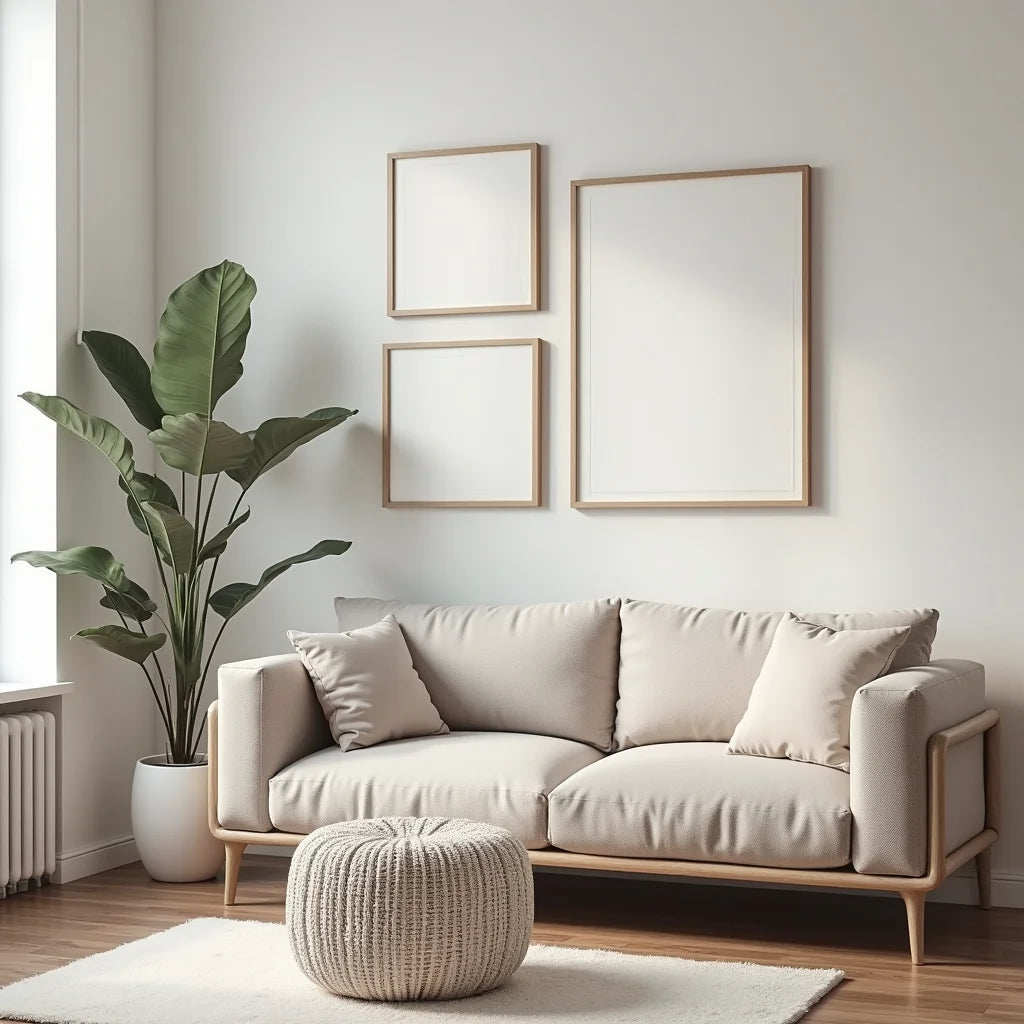
Contemporary wall gallery featuring varied frame styles and artistic arrangements in neutral tones.
Installation techniques should prioritize both safety and visual appeal. Use appropriate wall anchors, hooks, and hardware that support your frame weight securely. A level tool ensures straight hanging, while painter's tape helps mark positions before drilling or hammering. Consider professional installation services for valuable or delicate pieces. Proper positioning at eye level, typically fifty-seven to sixty inches from floor to center point, creates optimal viewing experience for most viewers.
Key Advantages of Decorative Wall Art
- Personalized Expression: Art prints allow you to display your individual taste, interests, and cultural preferences within your living environment, creating spaces that authentically reflect who you are.
- Cost-Effective Decoration: Quality prints offer significant savings compared to original artwork while delivering professional aesthetic impact and sophisticated visual results.
- Easy Customization: Prints can be easily swapped, rotated, or replaced seasonally, allowing you to refresh your decor without expensive renovations or permanent commitments.
- Versatile Style Options: From minimalist line drawings to vibrant abstract compositions, botanical illustrations to landscape photography, unlimited styles exist to match any interior design philosophy.
- Psychological Benefits: Surrounding yourself with beautiful imagery promotes mental wellbeing, reduces stress, and creates inviting atmospheres that encourage relaxation and positive emotions.
- Improved Room Proportions: Strategic placement of appropriately sized artwork can visually expand small spaces, draw attention to architectural features, and create depth within flat-walled rooms.
- Conversation Starters: Distinctive prints generate interest among guests, encouraging dialogue and sharing stories about the artwork's meaning, origin, and significance in your home.
Coordinating Colors and Styles with Your Decor
Successful art print integration requires harmonizing colors with your existing interior palette. Examine your furniture, wall colors, textiles, and accessories to identify dominant hues and accent colors. Prints featuring complementary colors create visual interest and energy, while analogous color schemes produce calm, cohesive environments. Neutral artwork serves as versatile options that transition well between varying décor styles and seasonal changes.
Style compatibility ensures your selections enhance rather than clash with existing furnishings and architectural elements. Modern minimalist spaces pair beautifully with contemporary art prints featuring clean lines and bold typography. Traditional interiors benefit from classic paintings, botanical illustrations, or vintage-inspired compositions. Eclectic spaces successfully combine diverse styles when unified through consistent framing, matting, and display techniques.

Monochromatic and complementary color schemes displayed across multiple wall configurations.
Consider creating thematic collections that tell cohesive visual stories throughout your home. A bedroom might feature serene landscapes and nature-inspired imagery promoting relaxation. Living areas could showcase bold abstract pieces or cultural artwork that energizes and stimulates conversation. Home offices benefit from motivational prints, literary quotes, or professional imagery that inspires productivity and focus.
Layering different elements enhances sophistication and visual depth. Combine artwork with mirrors, shelving, plants, and decorative objects to create dynamic wall displays. This approach prevents blank spaces from appearing barren while maintaining organized, intentional aesthetics. Gallery walls mixing various sizes, frames, and subject matter create contemporary visual interest when executed with careful spacing and alignment.
Maintenance and Preservation Tips
Protecting your art print investment requires understanding proper care and preservation techniques. Direct sunlight exposure causes fading and color degradation over extended periods. Position prints away from windows receiving prolonged sun exposure, or utilize UV-protective glass and frames that filter harmful rays. Rotate artwork periodically if natural light exposure cannot be completely avoided.
Environmental conditions significantly impact print longevity. Maintain consistent humidity levels between thirty and fifty percent to prevent warping, mold growth, and paper deterioration. Avoid placing artwork in bathrooms or kitchens where steam and moisture create hostile conditions. Temperature fluctuations cause expansion and contraction that damages frames and mounting materials, so keep artwork in climate-controlled spaces.
Regular cleaning maintains visual clarity and prevents dust accumulation. Gently dust frames using soft, dry cloths without applying liquid cleaners to print surfaces. For framed pieces with glass, use appropriate glass cleaner on the protective covering only, never on the print itself. Professional restoration services address significant damage, tears, or fading that requires specialized expertise and archival-quality materials.
When purchasing prints, verify acid-free matting, archival-quality paper, and professional framing standards that ensure longevity. High-quality print providers utilize conservation-grade materials that protect artwork for decades. Proper storage of spare prints in acid-free sleeves, away from direct light and moisture, preserves them for future display or rotation.
Frequently Asked Questions
What size art prints work best for different room dimensions?
Room size determines appropriate print dimensions. Small rooms measuring less than one hundred twenty square feet suit prints ranging from sixteen by twenty to twenty-four by thirty-six inches. Medium spaces accommodate prints between twenty-four by thirty-six and thirty-six by forty-eight inches. Large rooms exceeding three hundred square feet can display oversized prints of forty inches or larger, or gallery walls combining multiple medium-sized pieces. Proportion and spacing matter more than absolute size, so scale artwork to wall space and surrounding furniture.
How do I prevent art prints from fading over time?
UV-protective framing with acrylic or glass filters harmful ultraviolet radiation that causes color degradation. Avoid positioning artwork in direct sunlight, particularly in south and west-facing windows receiving maximum daily exposure. Installing light-filtering window treatments like sheer curtains or thermal blinds reduces light intensity without completely blocking natural illumination. Consider rotating artwork periodically if permanent relocation proves impractical. Archival-quality prints using fade-resistant pigments and acid-free materials resist color loss more effectively than standard commercial prints.
Can I mix different artistic styles in a single room or gallery wall?
Mixing styles successfully requires maintaining visual cohesion through framing consistency, spacing standards, and color coordination. Gallery walls combining various artistic styles, mediums, and subject matter create contemporary visual interest when framed uniformly with consistent matting widths and spacing between pieces. Establish a unifying element such as shared color palettes, frame finishes, or thematic connections that prevent the display from appearing chaotic or disjointed. Professional design consultation helps ensure mixed-style arrangements maintain intentional, sophisticated aesthetics.
What is the ideal height for hanging artwork?
Center artwork approximately fifty-seven to sixty inches from the floor to the center point, aligning with average eye level for standing viewers. Above furniture pieces like sofas or desks, position artwork eight to twelve inches above the furniture top. For gallery walls, measure the entire arrangement's visual center rather than individual pieces. These guidelines provide starting points; adjust based on ceiling height, furniture proportions, and personal comfort preferences for optimal viewing experiences.
Are printed reproductions as valuable as original artwork?
Printed reproductions serve different purposes than original artwork, offering aesthetic value and affordability without claiming authentic artistic investment status. High-quality reproductions faithfully capture artwork details, colors, and compositions while remaining accessible to broader audiences. They function excellently for home decoration, personal enjoyment, and creating beautiful environments. Original artwork retains potential appreciative value and unique artistic significance, while prints prioritize visual impact and practical enjoyment without financial investment considerations.
Summary and Next Steps
Art prints for home decoration represent accessible, versatile methods for personalizing living spaces and expressing individual aesthetic preferences. Successful integration requires thoughtful consideration of room dimensions, color coordination, and style compatibility with existing interiors. Quality framing, proper installation, and appropriate environmental conditions preserve prints for extended enjoyment.
Begin your journey by assessing your space and identifying styles that resonate with you. Explore diverse artistic options at Dreamprint.art, a comprehensive source for quality art prints and design inspiration. Consider consulting with interior design professionals for personalized guidance on creating cohesive, beautiful spaces. Start with one or two meaningful pieces, then gradually expand your collection as your confidence and design vision develop.
About the Author
This article was authored by an interior design and home decoration specialist with extensive experience in residential aesthetics and spatial design principles. The writer has spent over eight years helping homeowners and design enthusiasts select, display, and maintain decorative artwork that transforms living environments. With expertise in color theory, design trends, and practical installation techniques, the author is committed to providing accessible, actionable guidance for creating beautiful homes. When not writing about home design, you can find this specialist exploring galleries, visiting museums, and discovering emerging artists. Visit Dreamprint.art for inspiring art print collections and design resources.

